
France riots: Macron refused his interior minister’s resignation – and made the crisis his own
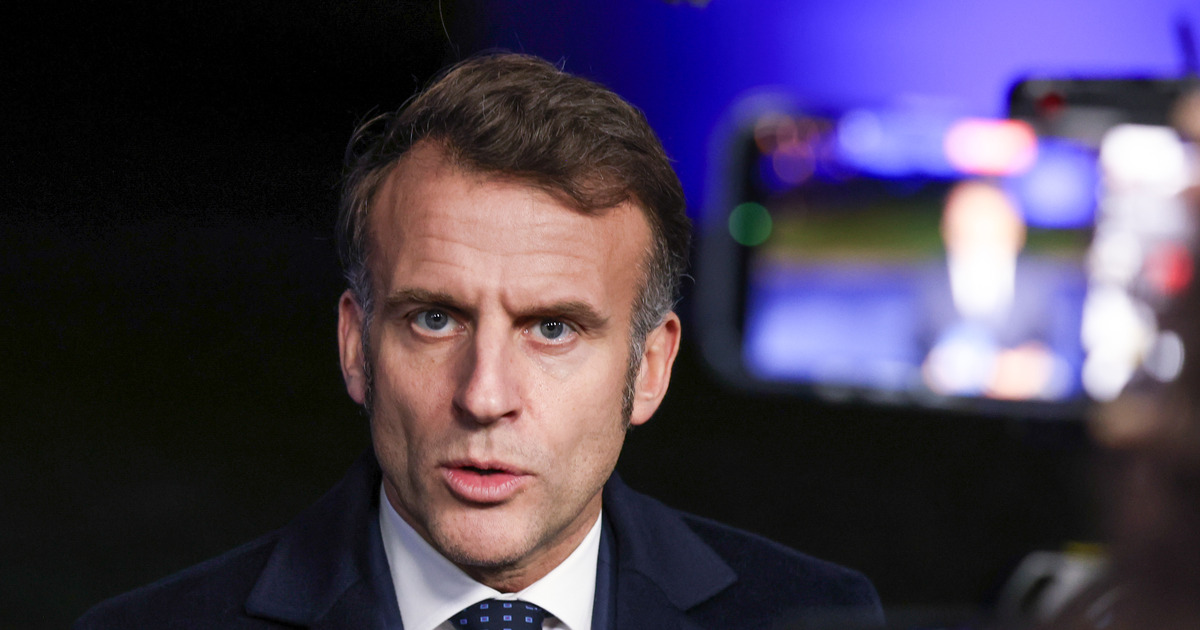
The France riots are one of the most violent episodes of unrest the country has seen in years. According to the Guardian, at least 2,400 people were arrested across the country after Saturday’s violence, public buildings were burned, and hundreds of shops were destroyed or looted. President Emmanuel Macron went on television to criticise what he called “unbridled violence” and said “nothing justifies” it. The Elysee then confirmed that his interior minister, Laurent Nuñez, submitted his resignation on Sunday, and that Macron refused it.
France riots: a weekend of fire
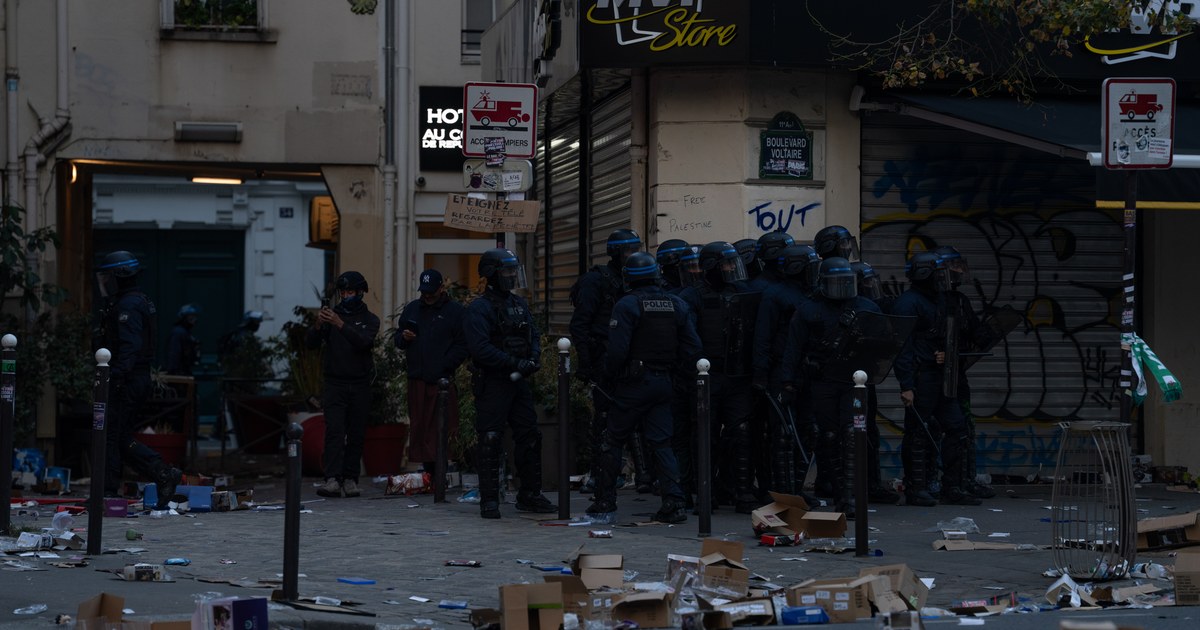
The Guardian’s reporting from Paris says rioters stormed and torched state buildings on Saturday, bus stops were smashed, roads were barricaded and shops were broken into in cities across France. The scale of the France riots caught the government by surprise. In Limoges, the 19th-century town hall was burned down. Violence flared again on Sunday at the Place de la République in central Paris. Crowds clashed with police, electric bikes were piled up and set alight, and police responded with teargas and stun grenades. A photograph from the scene shows graffiti reading “introduction to civil war”. Protests also took place in Spain, Italy and Portugal, the Guardian reported.

‘Failures’ admitted, resignation refused
The Elysee’s account of the resignation during the France riots is unusually direct. Nuñez submitted his resignation on Sunday, the palace said, but “given the necessity for continued leadership of law enforcement at this time, the president refused”. According to the palace statement, Macron asked his minister to “take all necessary steps to ensure transparency over the failures in planning and intelligence that led to the violence” and to “put in place new operational methods” for the security forces.
Macron’s address drew a line between two groups. He said genuine, peaceful demonstrators had demands over the cost of living and the education system, while others “destroy, ransack and loot”. He criticised what he called “factious groups from the ultra-left, joined by numerous delinquents”. As the Associated Press reported, he also said: “Those who looted will have to pay for the damage, and those who sought to bring down the Republic will be held accountable.” Local state officials, he added, will be able to ban certain street gatherings if they deem it necessary.
Macron’s gamble
Analysis: on the facts above, the France riots offer a reading of the refusal that makes it look like strength. Accepting Nuñez’s resignation would have confirmed that the failures had an address, and politicians on the left and right had called for exactly that. Keeping him projects continuity. But it also means the president now owns the response. Every gathering banned and every police operation ordered by the interior ministry now sits with the president who kept the minister in post. What Macron said about the “factious” groups and the peaceful majority is a familiar two-track message. The risk is that it has to hold in the face of continued violence and of grievances over the cost of living that policing alone cannot answer. If next weekend looks like this one, the refusal will be hard to defend.
British readers will be watching. As we reported when France’s students first took to the streets, the pressure in French society had been building for weeks, and the France riots have now spread into protests beyond its borders.