
EES border queues: airports and airlines call for reforms
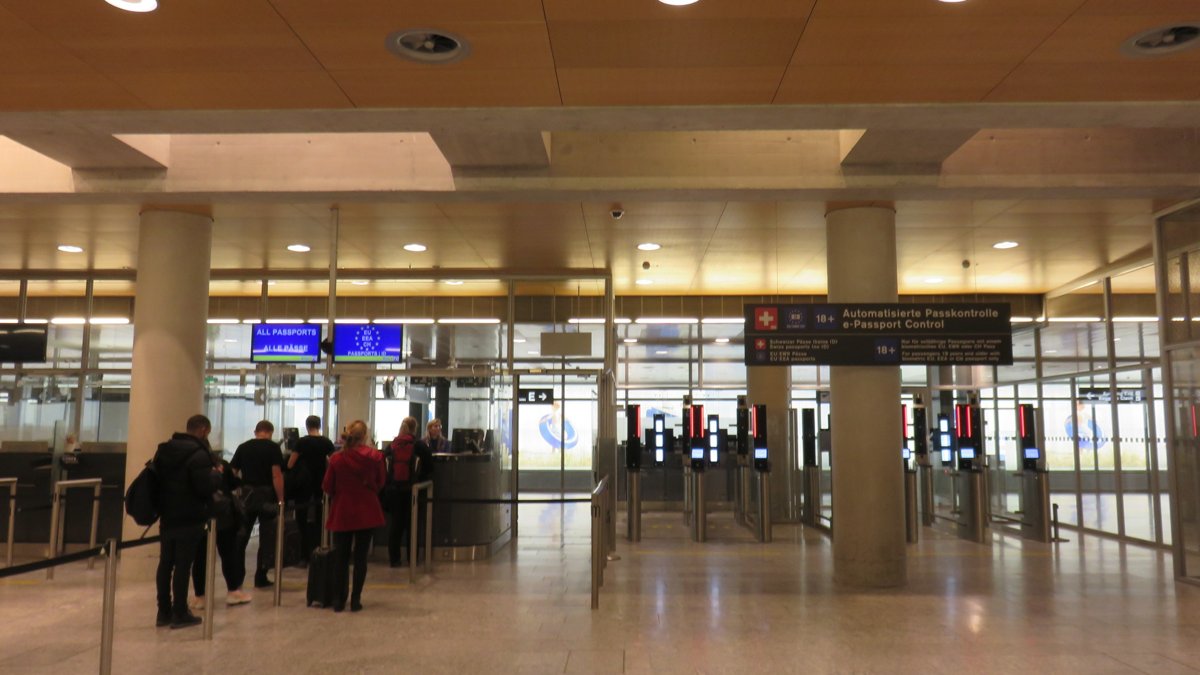

EES border queues are still disrupting journeys, European airport and airline organisations warn, and they are calling for changes to the Entry/Exit System months after its full rollout.
In a joint statement published on 12th October, ACI EUROPE and Airlines for Europe proposed six reforms. They said waits were reaching five hours in the most extreme cases at peak times. That figure is an industry claim about exceptional delays, not the expected wait at every airport.
What the airport and airline bodies want on EES border queues
The joint statement attributes continuing queues to insufficient border staffing, unstable IT systems and limited use of self-service kiosks and automated gates. It also criticises the functions and deployment of the Travel to Europe pre-registration app.
The organisations want duplicate checks removed, biometric verification improved and duplicate passenger profiles prevented. Their plan also calls for changes to the app and web portal, more consistent automated border control, and permanent flexibility to suspend biometric registration temporarily when waits become excessive.
These are proposals on EES border queues for the European Commission and member states. Publishing a plan does not mean that any of the changes have been agreed or that travellers can choose to skip registration.
What the Entry/Exit System does behind EES border queues
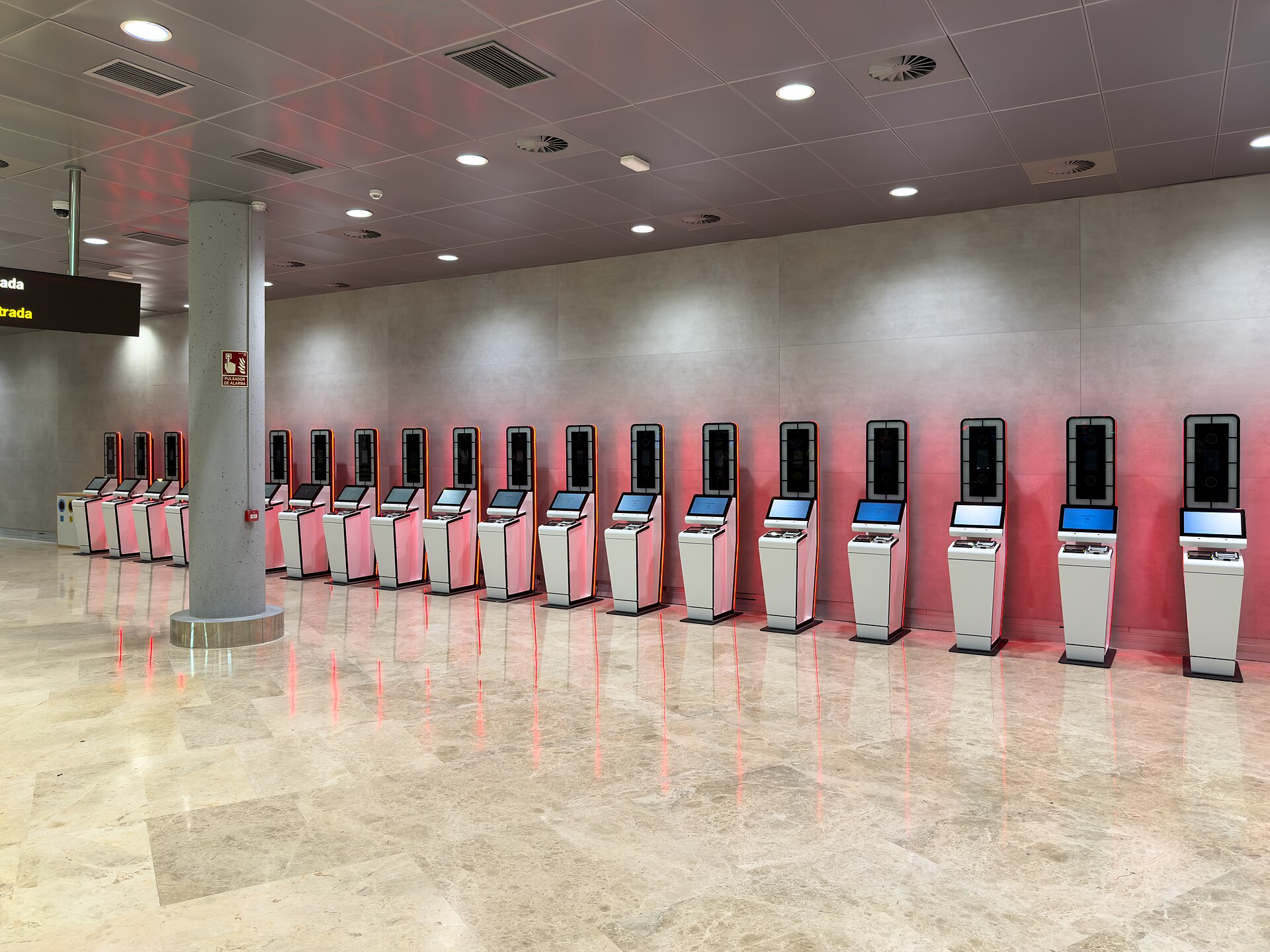

The Entry/Exit System, usually shortened to EES, electronically records border crossings by eligible non-EU travellers visiting participating European countries for short stays. It replaces manual passport stamps with electronic records.
The European Commission’s rollout announcement explains that the system records passport information, facial images and fingerprints. It began progressively in October 2025, with full deployment planned for April 2026.
The purpose includes identifying overstayers and document or identity fraud. Airport and airline organisations acknowledge the border-security benefit while arguing that the crossing process is not efficient enough.
A warning on EES border queues from organisations with a stake
ACI EUROPE represents airport operators, while Airlines for Europe represents airlines. Both have a direct interest in avoiding congestion, missed connections and disrupted services.
Their statement on EES border queues is important evidence of the industry’s position, but it is not an independent measurement of every border queue. It does not provide a complete airport-by-airport dataset from which a traveller could calculate the delay on a particular journey.
The distinction matters when reading headlines about five-hour waits. An extreme case can show a serious operational problem without describing the experience of every passenger.
EES is not the same as ETIAS
France’s foreign ministry distinguishes EES from ETIAS, the separate travel-authorisation system. EES concerns records made during border checks; ETIAS concerns prior authorisation for eligible visa-exempt travellers.
That distinction should not be lost in the dispute over EES border queues. A call to change EES operations is not an announcement of a new visa requirement or an exemption from another system.
The immediate news is the industry’s request for operational reform of EES border queues. Whether authorities adopt the proposals, and whether queues improve as a result, remain separate questions.
For another current world story, read our report on the France student protests.