Britain
Britain
Rough sleeping pledge: when Burnham’s extra £432m applies
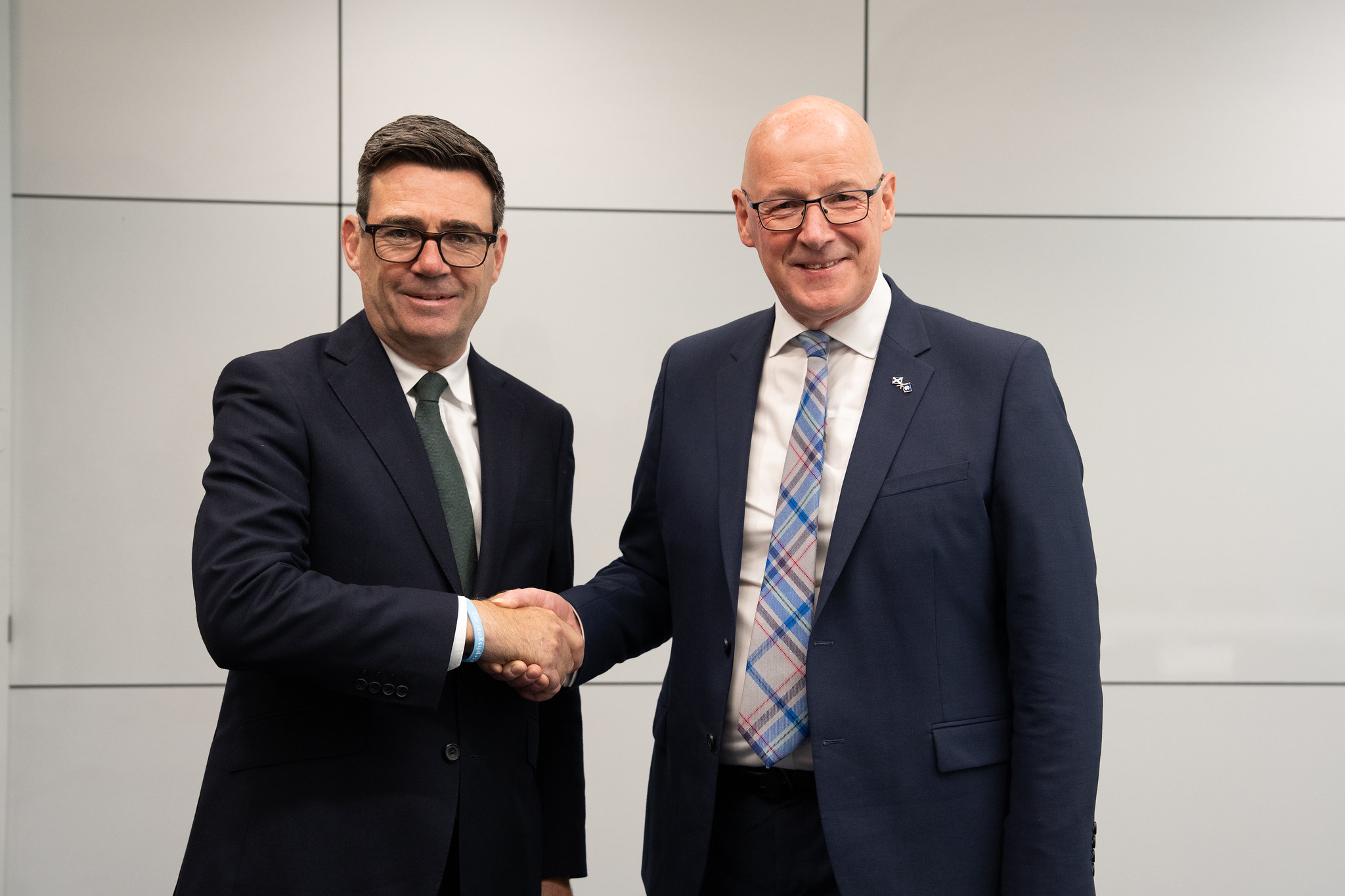
Andy Burnham has backed his rough sleeping pledge with a further £432 million. But the new money is not all an immediate winter payment. A statement to Parliament says it covers the Rough Sleeping Programme in 2027/28 and 2028/29. Ministers have yet to set out local funding allocations and guidance.
That makes the delivery test more specific than the headline promise. Ministers want services to offer everyone sleeping rough in England a route off the street or wider support before Christmas. Longer-term funding should help sustain that support, but an offer of help is not the same as a settled home.
What does the rough sleeping pledge promise?
Downing Street’s rough sleeping pledge describes a route off the streets or wider support. The BBC explains that people should either have accommodation available or receive an offer of support to prevent rough sleeping. It does not amount to a guarantee that everyone will be living in permanent accommodation by Christmas Day.
The BBC’s updated account says charities, businesses and other organisations attended Monday’s Downing Street summit. The question now is how those commitments translate into accommodation and continuing support.
What funds the rough sleeping pledge?
Housing Secretary Angela Rayner’s written statement on 26 October identifies the additional £432 million as funding for 2027/28 and 2028/29, building on £442 million already announced. Downing Street puts the combined investment behind the prime minister’s commitment at £874 million.
The earlier programme combines help to get people into accommodation before Christmas 2026 with settled accommodation and intensive support for people facing the greatest barriers to leaving the streets. Mayoral strategic authorities and local authorities lead delivery with local partners.
Rayner also described more than £4.4 billion of investment in homelessness and rough sleeping services over three years. That is a broader funding total, not another name for the £874 million package. Combining the two figures would misrepresent what ministers have announced.
Potential bed spaces are not completed homes
The National Housing Federation is working with housing associations to identify at least 2,000 potential homes and bed spaces. These include empty properties that could return to use. These are potential places, not a confirmed total of completed homes available immediately.
The BBC reports uncertainty over how many would be self-contained units and how many could accommodate more than one person. The distinction matters for people who need somewhere suitable to live, rather than a short-term place that does not meet their needs.
How should the rough sleeping pledge be judged?
The parliamentary statement says ministers will confirm funding allocations and guidance in due course. It does not provide each council’s share or a complete delivery timetable. Those details will help show whether local services can sustain the rough sleeping pledge beyond this winter.
Prevention matters too. The BBC reports calls from housing and homelessness organisations to restore Local Housing Allowance rates so they reflect local rents. Supporting people already on the streets and preventing others from losing their homes are related tasks, but they are not interchangeable.
The pledge sits alongside the wider choices discussed in our coverage of the reported business rates plans and last week’s PMQs exchanges. As with the proposed heating oil protections, readers need to distinguish an announcement from measures already operating.
A fair assessment will ask what happened after the offer: whether accommodation was suitable, whether support continued and whether people stayed off the streets. The funding announcement gives ministers a commitment to deliver, not proof that they have delivered it.
Sources: Rayner’s 26 October parliamentary statement, Downing Street’s announcement, the existing Rough Sleeping Programme guidance and BBC reporting updated on 26 October.