
Heating oil protections: government promises reform, not a price cap


Heating oil protections are set for reform after the government accepted recommendations from the competition watchdog, but the announcement does not introduce a price cap or give households a start date for the new rules.
The plans, published on 13th October, cover a market relied on by around 1.5 million UK households. Many live in rural or off-gas-grid areas, buying fuel in deliveries rather than receiving a continuous supply through a mains network.
Why heating oil protections are changing
The Competition and Markets Authority examined the sector after sharp price rises during the Middle East conflict. Its findings draw an important distinction: it described the market as generally competitive and said increases largely reflected higher wholesale costs, rather than excessive supplier profits.
That did not mean customers were adequately protected. The watchdog identified gaps around quotations, cancelled orders, vulnerable households and independent ways to settle complaints. The government says 1,700 households were owed compensation after suppliers cancelled orders, leaving customers to reorder at higher prices.
For people who cannot quickly change their heating system, those gaps can matter as much as the headline price. Buying a large delivery means finding money upfront, while running short of fuel can leave a household without reliable heating or hot water.
What the government has agreed
The response accepts in principle a proportionate regulatory regime for heating oil distributors. The CMA’s recommended framework includes authorisation of suppliers, a priority service programme for vulnerable customers, a mandatory code of conduct and access to alternative dispute resolution.
The proposed system would also give Ofgem and Northern Ireland’s Utility Regulator enforcement and monitoring roles. These are parts of a framework still to be developed, not powers that this announcement itself has brought into force.
Ministers say they will work with regulators, industry, consumer groups and devolved governments. In the meantime, the heating oil protections plan is to strengthen existing codes of conduct and improve awareness of complaints routes and support.
Minimum order volumes will be reviewed as part of the heating oil protections work. The government points to practices requiring some consumers to buy 500 litres, potentially forcing them to pay for more than they need. A review is not the same as an immediate ban on that minimum.
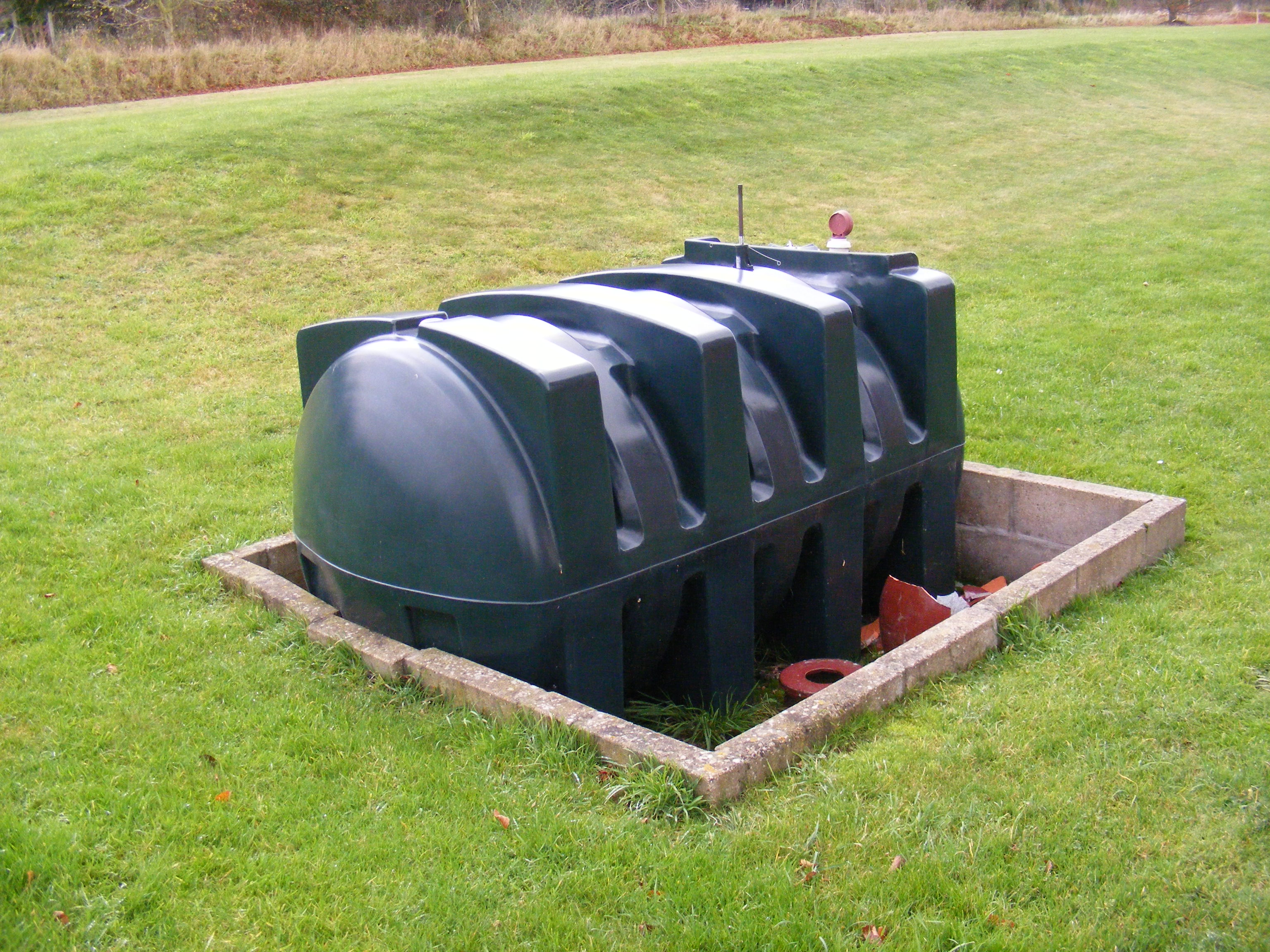

No price cap in heating oil protections plan
The heating oil protections package explicitly stops short of copying the gas and electricity price cap. The CMA did not recommend regulating heating oil prices at this stage, and ministers instead describe an approach based on targeted support and consumer protection.
The pressure remains visible. Northern Ireland’s Consumer Council recorded an average quoted price of £568.04 for 500 litres on 13th October. That is a dated Northern Ireland average, not a national tariff or a guaranteed quote for any household.
Energy consumers minister Polly Billington said the reform would hold suppliers to account and give people confidence in a fair deal. The practical test is still ahead: whether a clear timetable and enforceable rules follow the promise.
For now, the announcement on heating oil protections establishes the direction of reform. It does not mean winter bills have been capped, compensation has automatically been paid, or the new regulatory system is already operating.