Britain
Britain
Is Burnham bringing back EU free movement?
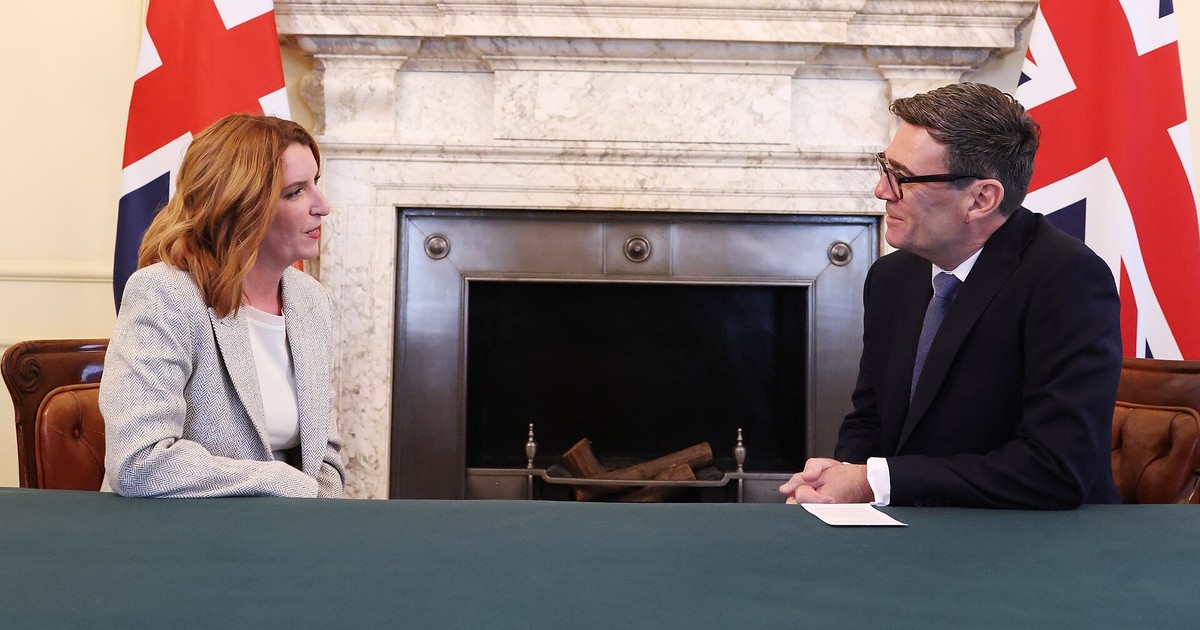
Is Andy Burnham bringing back EU free movement? Not on the basis of the remarks reported this weekend. The prime minister has called for an “honest discussion” about Britain’s relationship with the European Union, but a debate about options is not an agreement to restore the rules.
BBC News, Sky News and the Guardian report comments made in a Sunday Times interview. Their accounts describe Burnham considering different ways of building a closer relationship with Brussels, including options that would reopen the EU free movement question.
EU free movement: what Burnham has said
The BBC reports Burnham calling for a “very factual, quite evidence-based debate”. He acknowledged that free movement had brought significant challenges while arguing that the pattern of migration during EU membership was different from the situation Britain faces now.
Sky reports his description of “revolving door migration”, in which people came to Britain and later returned home. That is Burnham’s argument about the comparison, not independent proof that every aspect of migration was easier before Brexit.
The political question is whether he is preparing the ground for a different relationship. The immediate factual answer is narrower: he is discussing possibilities. None of the reports establishes that a new UK-EU free-movement agreement has been reached.
EU free movement debate meets a mandate question
The BBC says Burnham has previously committed to Labour’s 2024 manifesto position ruling out a return to free movement, the single market or a customs union. It also reports his position that fundamental changes would require a general-election mandate.
That is the tension his government must explain: how far it wants the debate to go, which options it would recommend and what authority it would seek before changing course. Calling for discussion does not settle any of those questions.
The reported options should not be bundled into one policy. Rejoining the EU, joining the single market and forming a customs union are different propositions. The reports link single-market membership to free movement; that does not make every closer trading arrangement identical.
Opposition criticism is not an agreed verdict
Shadow home secretary Chris Philp said there could be “no return” to free movement, according to the BBC. Reform UK leader Nigel Farage called Burnham’s comments a betrayal of Brexit voters. Those are the opposition’s political judgments, not findings that an agreement has secretly been made or that the law has already changed.
A serious debate should be able to distinguish a proposal, a mandate and an implemented policy. Treating all three as the same may produce a sharper headline, but it leaves readers less informed about what is actually happening.
The discussion comes as ministers prepare for the Budget, following announcements on AI security funding and business rates. Our latest PMQs report covers the wider political exchanges.
For now, the test is clarity: what relationship does the government want, what trade-offs would it accept and when would voters be asked? The reported EU free movement interview opens those questions. It does not answer them with a completed deal.
Sources: BBC News, Sky News and the Guardian, reporting the Sunday Times interview, 24-25 October 2026. The original interview was not independently reviewed for this article; quotations are attributed through the named reports.