Michael Faraday: how a bookbinder found electromagnetic induction
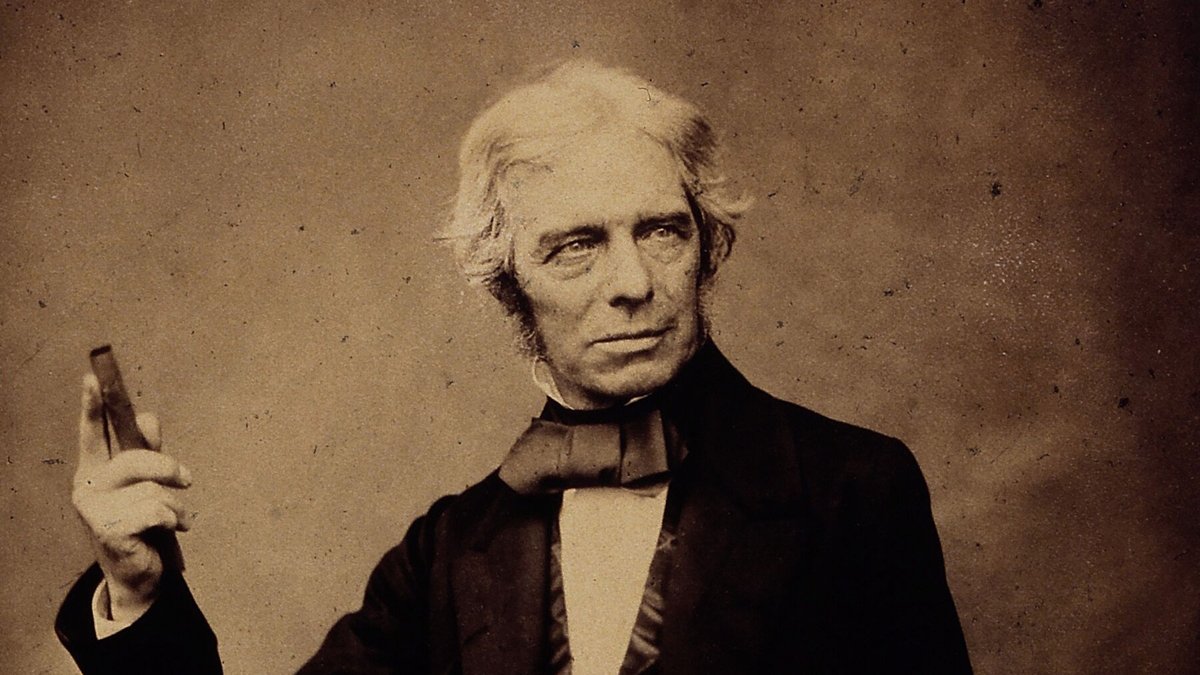
Science explained: Michael Faraday
Michael Faraday is often described as the man who made electricity useful. The Royal Institution, where he worked for most of his career, says his discoveries helped make it possible to switch on lights and run motors. The more interesting part is how an unlikely scientist got there.
Michael Faraday: from bookbinder to laboratory
The Royal Institution says Faraday was born on 22nd September 1791 in Newington Butts, in south London. His father was a blacksmith, and the family had little money. At 14 he started an apprenticeship as a bookbinder.
He began reading the science books he was binding. A customer later gave him tickets to lectures at the Royal Institution, where he heard Humphry Davy speak. Faraday wrote up his notes and gave them to Davy. When a vacancy appeared, Davy remembered him and hired him as Chemical Assistant.
That route was unusual at the time. The Royal Institution points out that it was rare for anyone who was not already wealthy to become a successful scientist.
Michael Faraday and the 1831 induction ring
During the 1820s Faraday tried to work out how to make electricity from magnetism. According to the Royal Institution, he succeeded on 29th August 1831 with a device he built in the basement laboratory. It was an iron ring wound with copper wire on opposite sides and insulated with cotton.
When he passed a current through one coil, a current appeared in the other. However, it flowed only for a very brief moment. That brief effect is electromagnetic induction, the principle behind generators and transformers.
The ring survives. The Royal Institution says it is on display in its Faraday Museum.

More than one discovery
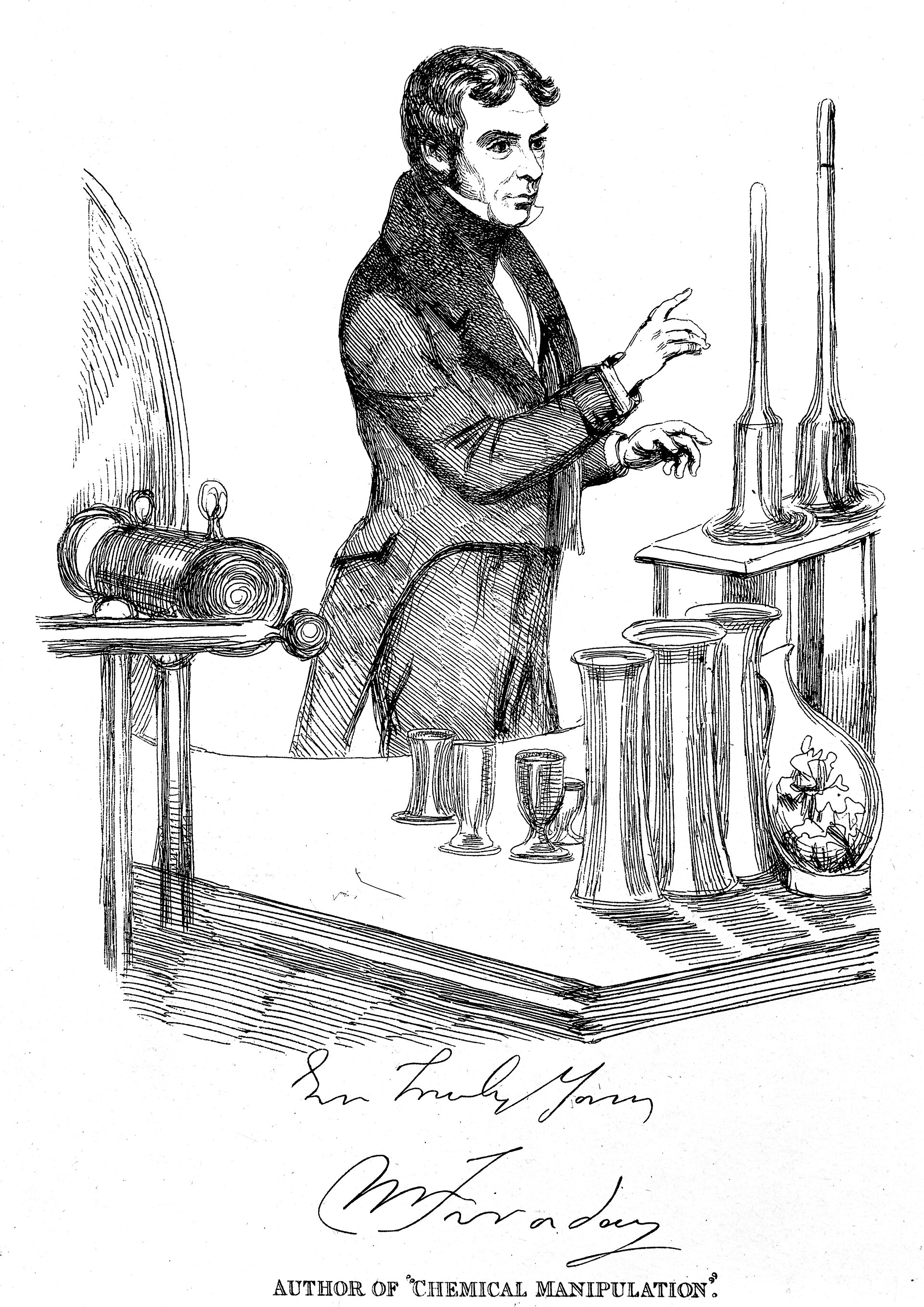
Induction was not the only result for Michael Faraday. The Royal Institution credits him with the discovery in 1821 that led to the electric motor. It also credits him with finding benzene, and with coining words such as electrode, cathode and ion in the early 1830s.
Not every task went well. The Royal Institution notes that he was asked to make glass and, after many months, did not succeed. Even a scientist of his standing could not do everything.
Michael Faraday and the lectures still running
In 1825 Faraday helped start the Friday Evening Discourses and the Christmas Lectures at the Royal Institution. Both continue today. He gave 19 series of the Christmas Lectures, and the best known was on the chemical history of a candle.
Later in his career Michael Faraday worked on improving lighthouses. The Royal Institution says Prince Albert thanked him with the gift of a house at Hampton Court. Faraday died there on 25th August 1867.
Reading about Michael Faraday also shows how scientific stories are shaped. For another example, see our explainer on Charles Darwin and what survival of the fittest means, or Florence Nightingale and the evidence behind her charts.