
Joseph Lister: how carbolic acid made surgery safer
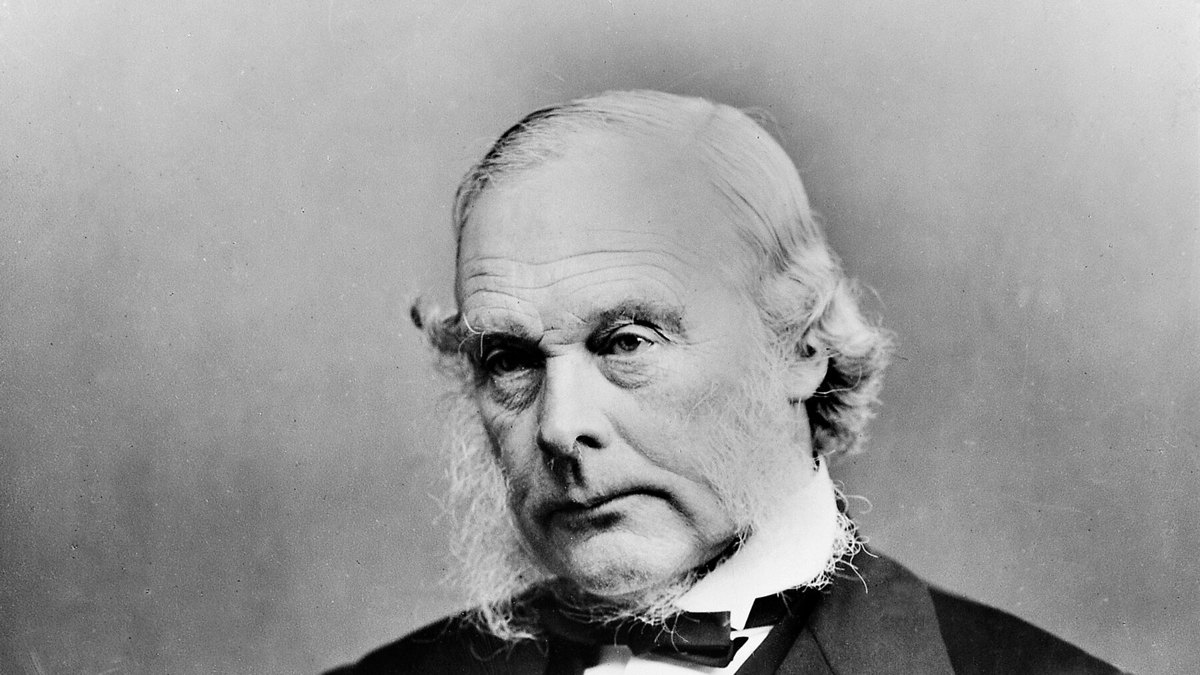

Science explained: Joseph Lister
In the middle of the 19th century, a patient could survive an operation and still die days later from infection. The Royal College of Surgeons says that was a real risk even after ether made surgery less painful. Joseph Lister is the surgeon credited with changing that.
Joseph Lister and the problem of infection
Ether was first used in surgery in 1846, so patients no longer died of pain or shock as often. Infection, however, still killed many of them. Nobody could say for certain why.
Louis Pasteur put forward his germ theory in 1862. The Royal College of Surgeons says Joseph Lister built on that work. In 1865 he introduced the idea of antisepsis in surgery: use chemicals to destroy the germs that cause infection.
The carbolic acid method
The Royal College of Physicians and Surgeons of Glasgow records that his first case was a boy named James Greenlees in 1865. The boy’s leg had been broken by a cart and the bone had pushed through the skin. Lister soaked the dressings in carbolic acid and had them changed regularly.
The method grew from there. Lister introduced carbolic hand washes for surgical staff, carbolic baths for instruments and a carbolic spray to reduce germs in the air. According to the Royal College of Surgeons, the death rate among his patients fell from 47% to 15% in three years.
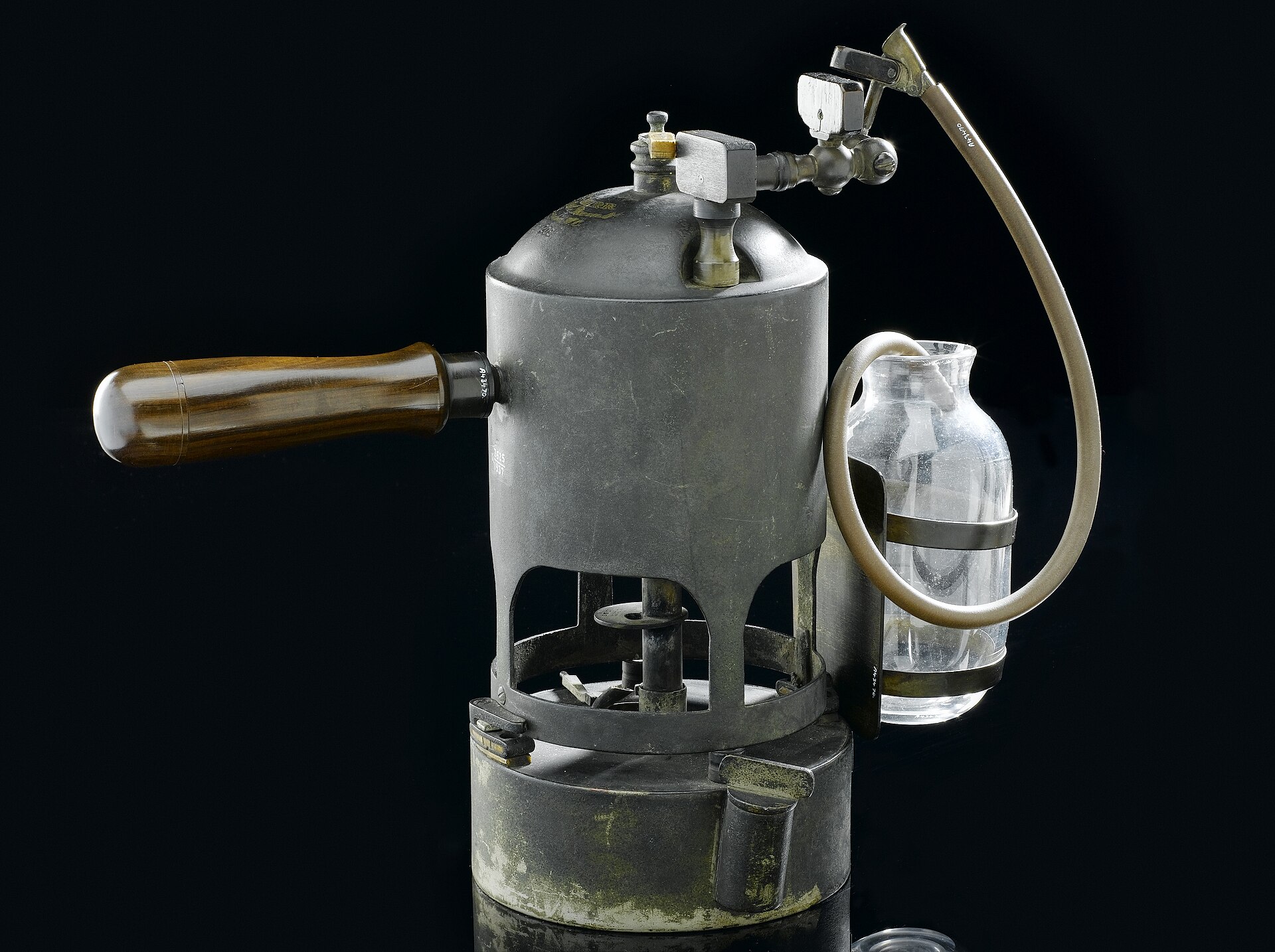

The spray was a heavy device. The Glasgow college explains that an assistant lit a burner, built up steam pressure and pumped the solution into the air. Joseph Lister used it from the 1870s to the 1890s and later gave it up. The acid also damaged the hands of surgeons who followed his method.
How Joseph Lister’s ideas spread
Not everyone agreed with Lister. The Royal College of Surgeons notes that some doctors did not accept that germs caused infection, and others felt his procedures slowed surgery down. Even so, doctors travelled from around the world to watch him operate.
Lister became Professor of Surgery at Glasgow in 1860 and moved to Edinburgh in 1869. In 1877 he was offered the chair of Clinical Surgery at King’s College in London. He was made a baronet in 1883, Baron Lister of Lyme Regis in 1897, and was one of the first 12 members of the Order of Merit in 1902.
The work of Joseph Lister laid the groundwork for modern sterile operating theatres. For another story of a scientist changing how people see the world, read our explainer on Florence Nightingale and the evidence behind her charts, or Michael Faraday and the 1831 induction ring.