Britain
Britain
PMQs: Burnham and Badenoch clash over EU tuition fees
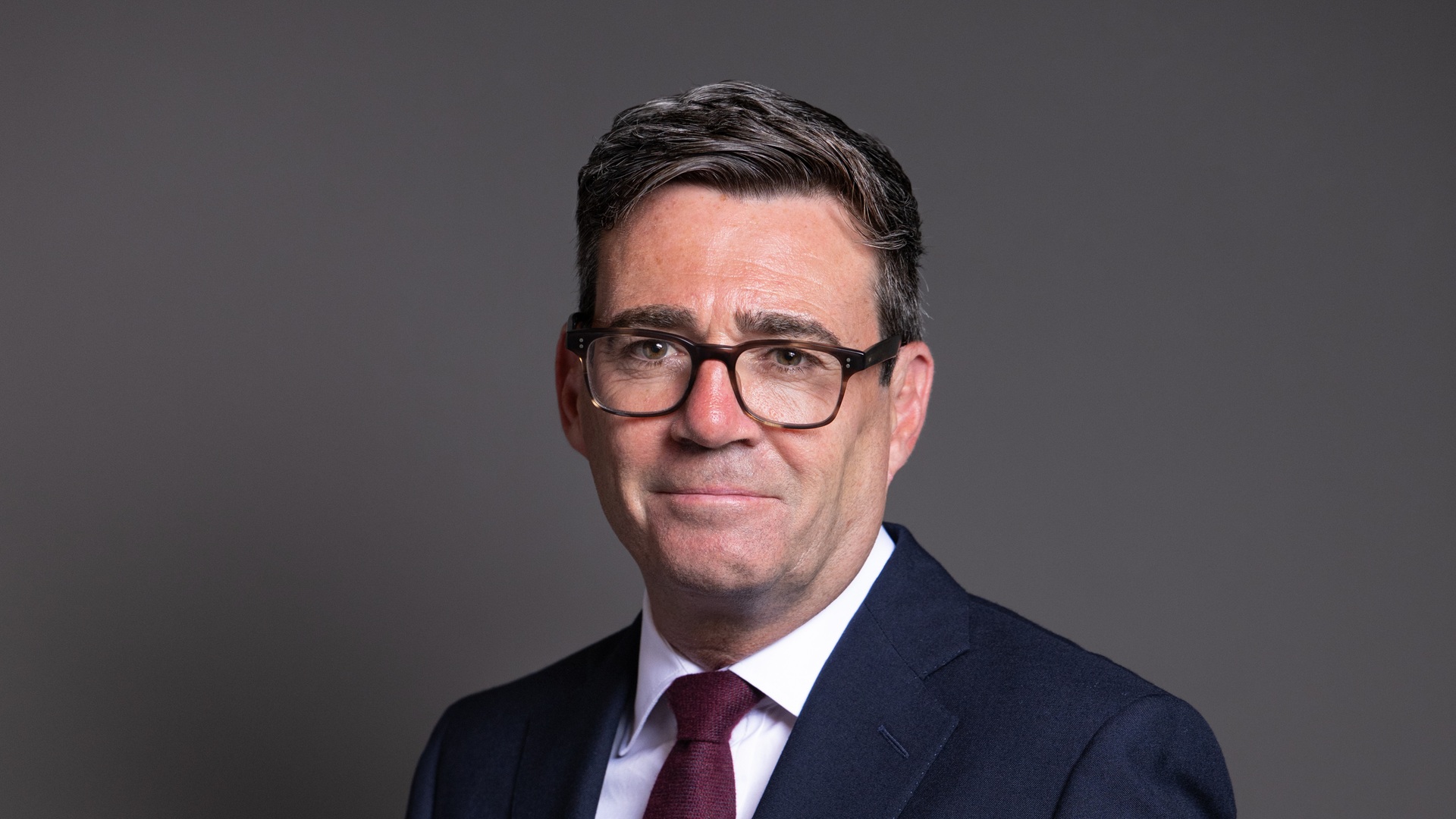
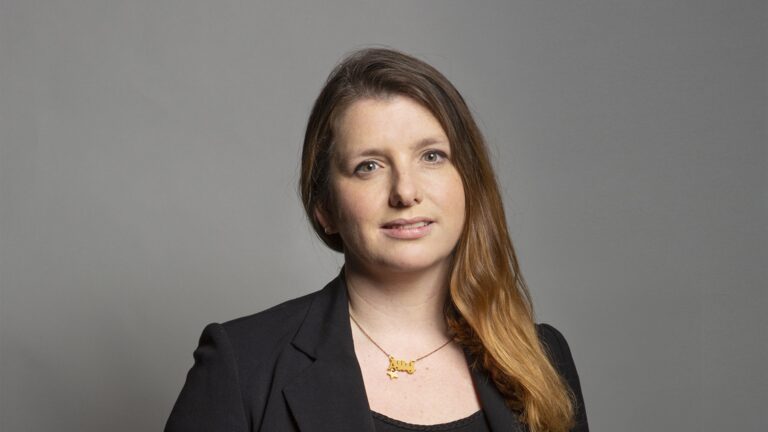
Andy Burnham in his official parliamentary portrait, July 2026. Archive image, not this PMQs sitting. Photo: House of Commons, CC BY 3.0. Cropped to 16:9.
Andy Burnham and Kemi Badenoch clashed at PMQs on Wednesday over whether Britain’s new agreements with the European Union depend on further negotiations about university tuition fees.
The Conservative leader pressed the prime minister to explain who would meet the cost if fees for EU students were reduced. Burnham said no tuition-fee deal had been agreed, while defending the wider package on food trade, emissions and opportunities for young people.
The exchanges on 25 November also covered energy bills, support for steel and measures to protect victims of sexual harassment. This report draws on the official, uncorrected Hansard record, alongside BBC reporting from the Commons. Hansard’s rolling record remains subject to correction.
PMQs: tuition fees and the EU deal
Badenoch questioned whether universities or taxpayers would have to meet the cost of bringing EU students’ fees into line with those paid by British students. She also challenged the relationship between those negotiations and the wider agreements announced the previous week.
Burnham maintained that tuition fees were a separate negotiation. He said legislation would be introduced on Thursday to set implementation dates for agreements covering food, emissions and the youth experience scheme.
The prime minister argued that the wider package would reduce paperwork for businesses and improve opportunities for young people. Badenoch said he had not answered her questions about costs, negotiating limits or whether the other agreements could proceed without a tuition-fee agreement.
Those were competing political positions. The exchange did not establish that a tuition-fee reduction had been agreed or that a particular bill had been handed to universities or taxpayers.
Energy bills and support for households
Liberal Democrat leader Ed Davey pressed Burnham over rising energy costs and called for action on energy network companies’ profits.
Burnham acknowledged that longer-term reform was needed and said it would be addressed in the government’s plan for Britain the following month. He referred to the planned £100 support for households in England and said he wanted to remove the standing charge from gas bills the following year.
The latter was a statement of the government’s intention, not confirmation that a standing-charge change had already taken effect. Davey argued that the support announced so far was insufficient.
Davey also challenged the allocation of support for the steel industry in Wales. Burnham defended investment in the transition at Port Talbot and agreed to meet him.
Victim protections and the influencer dispute
In his opening answer, Burnham said the government would bring forward to January the date by which non-disclosure agreements could no longer be used to silence victims of sexual harassment.
He later agreed to establish the expert group sought by Labour MP Nadia Whittome to examine how rape myths are dealt with in court. These were announcements during the session, rather than evidence that the proposed changes were already operating.
Badenoch also challenged the prime minister over an offensive social-media video recorded outside Downing Street. Burnham said the video had been removed and its creator had apologised. He agreed that its language was unacceptable, while defending engagement with people who reach younger audiences. The offensive wording is not reproduced here.
The session followed last week’s PMQs exchanges on welfare and youth employment, but Wednesday’s main opposition questions centred on the EU negotiations.
Watch the official PMQs recording
No verified official X embed for this session was available when this report was prepared.