
Britain
Britain
NHS begins invitations to EDITH AI breast-screening trial
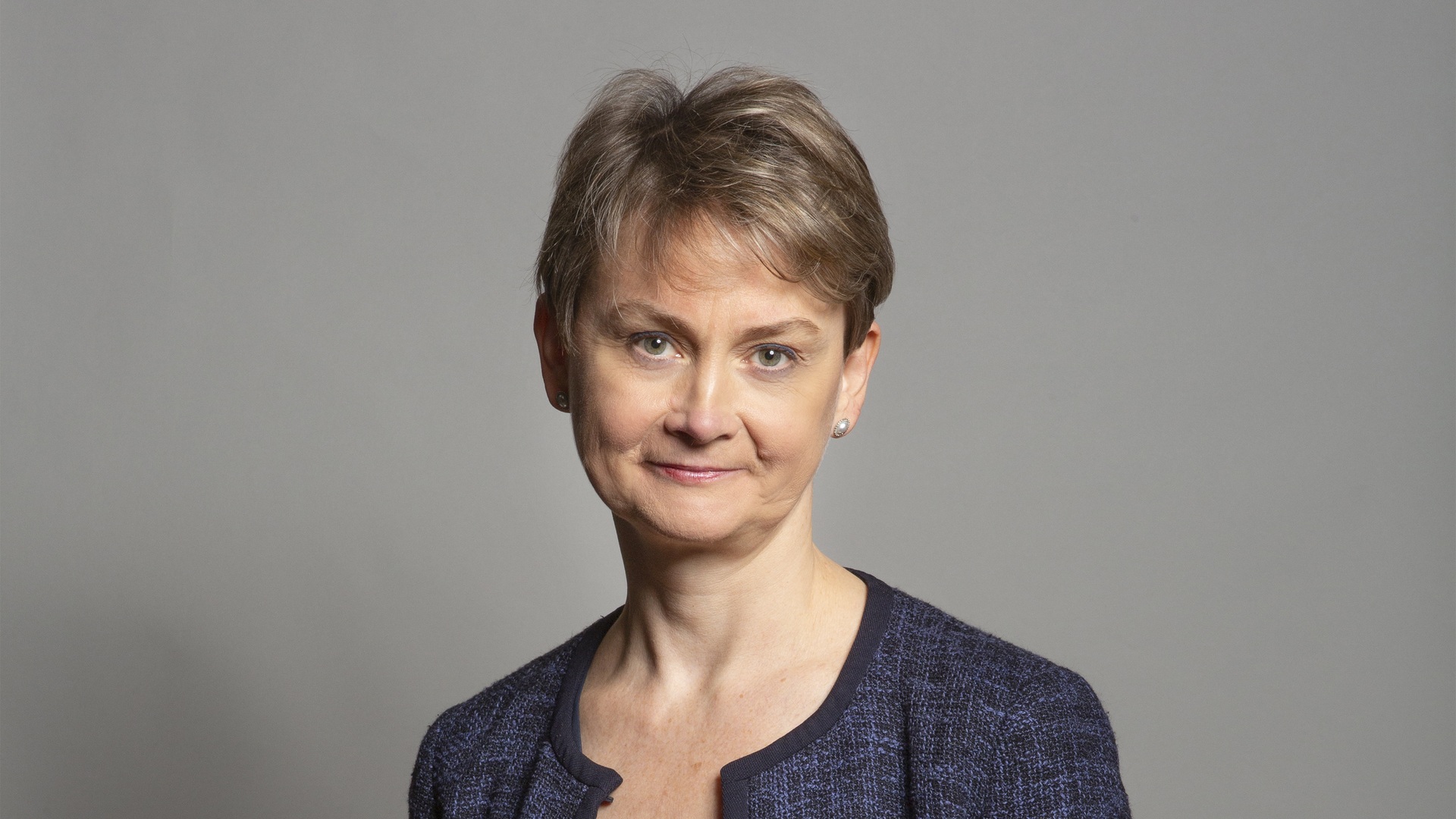
Archive official portrait of Yvette Cooper, not a photograph of the EDITH visit. Photo: David Woolfall / UK Parliament, CC BY 3.0. Cropped to landscape and resized.
The NHS has begun inviting women to take part in EDITH, a £10 million trial testing whether artificial intelligence can support breast screening while keeping clinical decisions in human hands.
Recruitment has started at Cambridge University Hospitals, the first of 30 planned UK sites. Nearly 700,000 women attending routine screening over three years are expected to take part, according to NHS England’s announcement on Monday 23 November.
The announcement concerns the start of invitations and recruitment. It does not mean that the technology has already been shown to improve cancer detection or that all 30 sites are operating.
What the EDITH breast-screening trial will test
At present, two specialists review each screening mammogram. EDITH will investigate whether AI-assisted reading can allow most images to be reviewed by one specialist, while maintaining the safety and effectiveness of current care.
The tools will assist NHS staff in reviewing images collected during routine mammograms. The potential benefits include detecting cancers earlier and freeing specialist time for diagnosis and patient care, but those are outcomes the trial must test rather than results it has established.
The National Institute for Health and Care Research is funding the study. The University of Warwick, the University of Cambridge and Cambridge University Hospitals are leading it, working with NHS England.
Appointments stay the same and human review remains
Women will continue to receive routine screening invitations. Their letters will include information about the trial and explain how to opt out if they do not want to take part.
The screening appointment itself will not change. The difference is in how the images may be reviewed afterwards. Cambridge’s explanation says every mammogram will still be reviewed by at least one human radiologist. All clinical decisions remain with NHS staff.
Further sites are expected to open in the coming months. The planned scale should allow researchers to test whether the possible benefits can be delivered across different screening services, rather than assuming a promising tool will work equally well everywhere.
Potential benefits are not a quick workforce fix
Health and Social Care Secretary Yvette Cooper visited the trial team at Addenbrooke’s Hospital. In the NHS announcement, she described faster diagnosis as a potential benefit if the trial succeeds, while stressing the need for safeguards.
The Royal College of Radiologists’ response also welcomed the potential of the research but cautioned that it is not an immediate answer to radiologist shortages. The study will need to produce evidence before any wider change to routine care.
For women receiving invitations now, the practical points are unchanged appointments, information about participation in their letters and continued human oversight of their scans.
Which part of the EDITH trial would you most like explained?
More from The British Banner
1 comment
Which safeguards would you want the EDITH trial to demonstrate?