
John Snow: why the cholera story needs more than a map
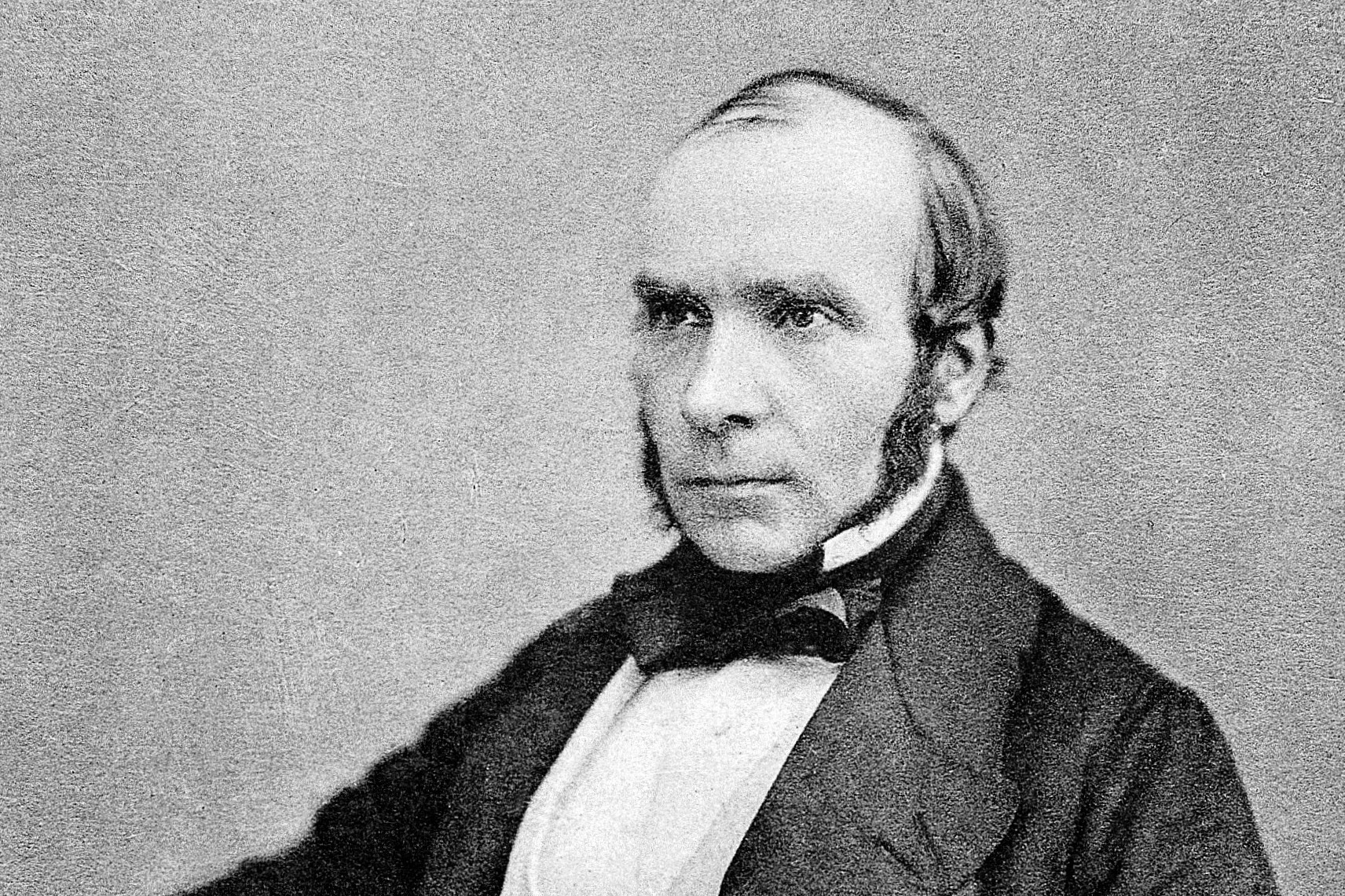

History explained: John Snow
John Snow’s investigation of cholera in Soho is often reduced to a map and a pump handle. Dots gathered around a water source; the handle came off; the outbreak ended. The surviving record tells a more careful story.
Snow’s own report combined the geography of deaths with questions about where people obtained their water. It also acknowledged that fatal attacks had already fallen before the handle was removed. Both details matter when we read this famous episode as an example of evidence changing public policy.
John Snow asked more than where people lived
In his report to the parish inquiry, preserved by Michigan State University’s John Snow Archive, he described investigating deaths registered around the beginning of September 1854.
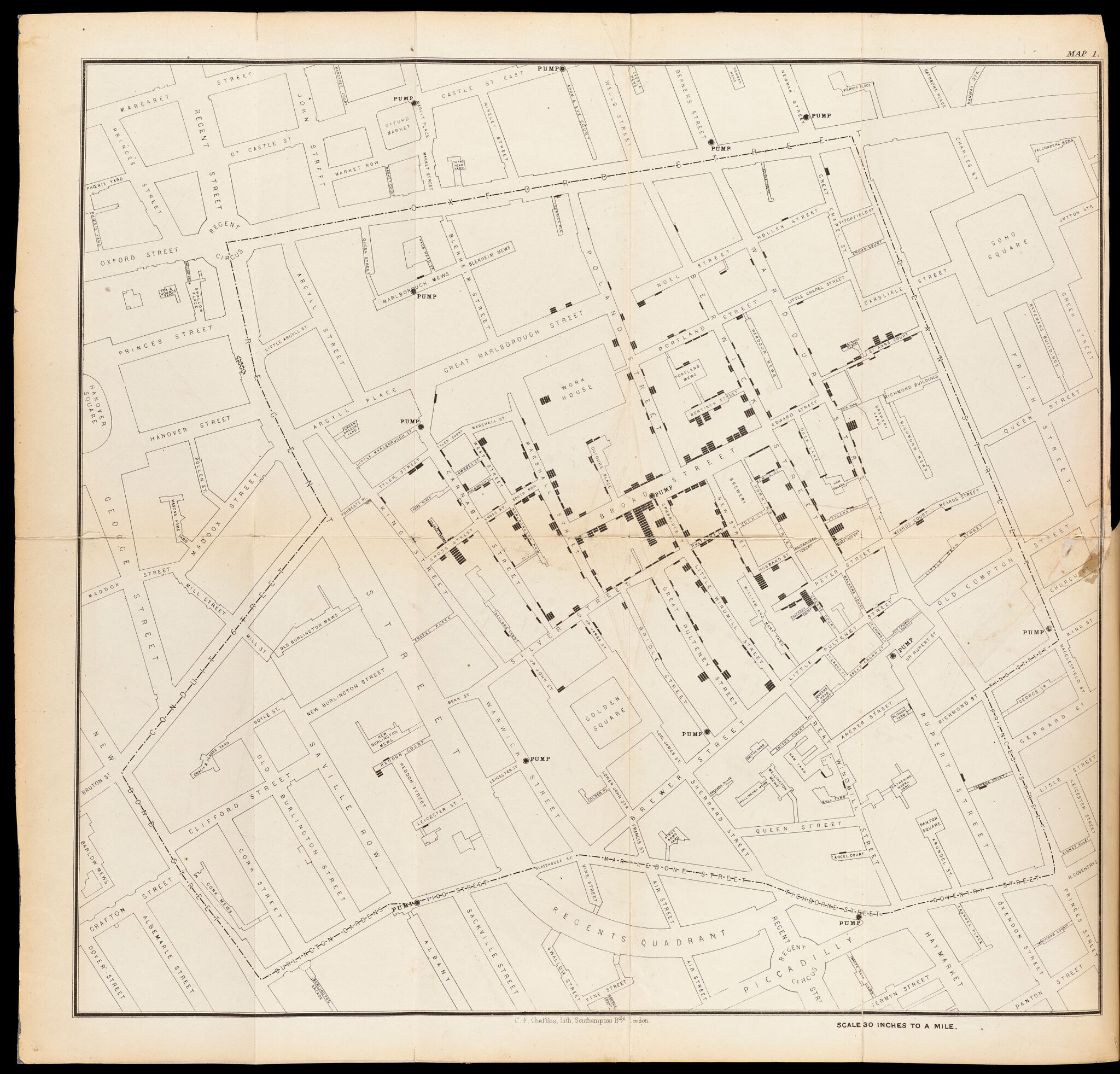
Most were close to the Broad Street pump. But proximity alone was not his whole argument. He asked about people who lived nearer other pumps and nevertheless died. Some families said they preferred Broad Street’s water and fetched it from there. Some children attended school near the pump.
Those exceptions were useful rather than inconvenient. They helped distinguish a person’s home address from the source of the water they drank. A map could show where deaths occurred, but interviews supplied information the map could not contain.
John Snow and the absence of deaths
John Snow also investigated places within the affected area where deaths were comparatively few. His report discussed the workhouse, which had its own well, and a brewery whose workers had other supplies available.
This was more than drawing a circle around a cluster. The comparisons asked whether people sharing a neighbourhood also shared the suspected exposure. They strengthened his case that the pump water, rather than simply the location, was important.
The report should still be read as a historical source, with the limits of its records and its author’s interpretation. It is not a modern controlled trial.
Removing the handle was not a clean experiment
Snow met the parish authorities on 7th September, and the handle was removed the following day. In the later report, he explicitly noted that the daily number of fatal attacks was already much diminished by 8th September.
That makes it unsafe to claim the timing alone proves that removing the handle stopped the outbreak. Disabling a suspected source and demonstrating exactly how much that intervention changed the outcome are different questions.
The qualification comes from John Snow himself. Keeping it in the story does not diminish his investigation. It prevents a useful historical example becoming a tidier claim than the evidence supports.
The pump in Soho today is a memorial
The London School of Hygiene & Tropical Medicine describes the Broadwick Street pump as a replica, not the original object. Its account says the public pumps in Soho were removed and destroyed in the nineteenth century.
A visitor can therefore see a memorial to the investigation, not the exact equipment Snow examined. Like the simplified map story, a familiar object needs a precise caption.
John Snow’s lasting example is an investigation that linked records, places, interviews and comparisons. The map made the pattern visible. The questions behind it helped explain why the pattern mattered.
Another Victorian medical story is in our piece on how Joseph Lister made surgery safer with carbolic acid.