Edward Jenner: from vaccination to smallpox eradication
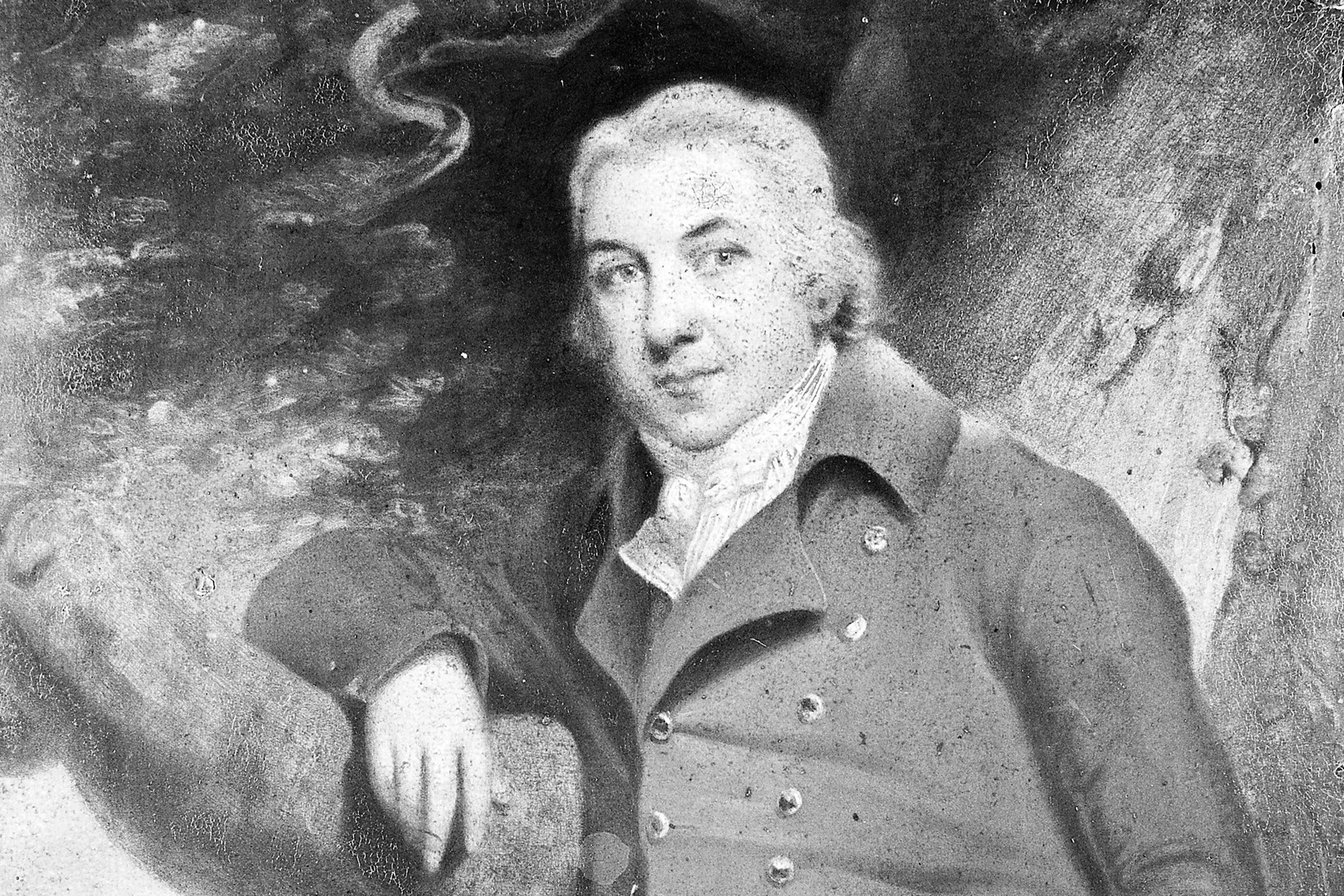
History explained: Edward Jenner
Edward Jenner’s place in the history of vaccination is familiar. The journey from a Gloucestershire doctor’s experiment to the global eradication of smallpox is less easy to fit into a single sentence.
Keeping those events separate gives each its proper weight. Jenner’s work helped establish a method of prevention. Ending the disease worldwide required a much later international programme, involving many countries and people.
Edward Jenner and an existing observation
The Science Museum’s history of vaccination describes an observation among people working with cattle: those who had caught cowpox appeared to be protected against smallpox.
This was not knowledge Jenner invented from nothing. The museum says some local people had already deliberately exposed themselves to cowpox in an attempt to avoid the more dangerous disease. Jenner set out to test the practice.
In 1796, Edward Jenner used material from a cowpox sore on milkmaid Sarah Nelmes’s hand in an experiment involving James Phipps, a young boy. The museum describes Jenner later exposing the boy to smallpox material without the boy developing the disease.
These are descriptions of a historical experiment, not a model for modern research or instructions for present-day care. The people involved belong in the account, rather than disappearing behind the doctor’s famous name.
Edward Jenner, vaccination and variolation
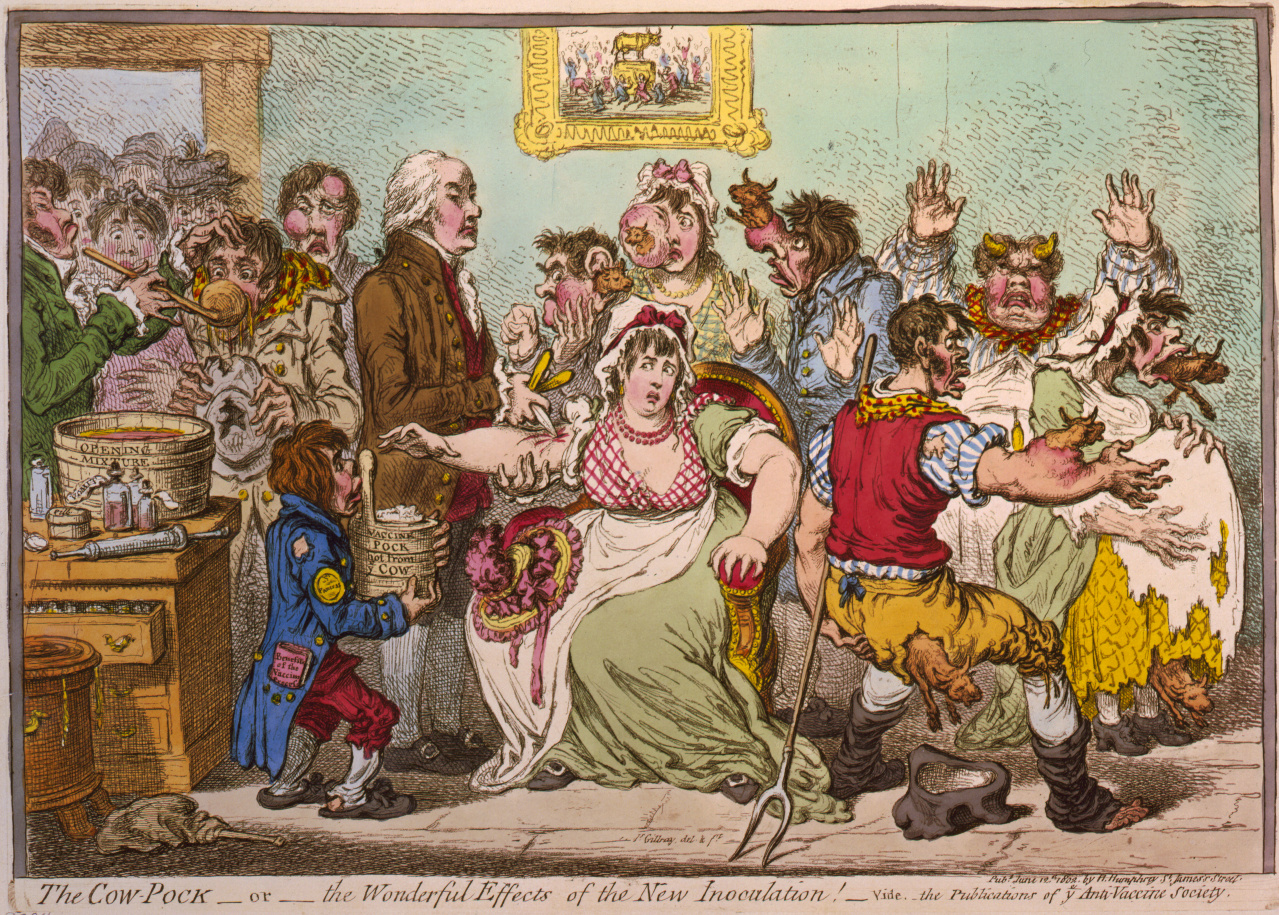
Before Edward Jenner’s work, variolation deliberately exposed a person to smallpox material. The museum describes vaccination as replacing that riskier practice. Jenner named the procedure from vacca, the Latin word for cow.
The important distinction is the material used and the intended protection. Treating every historical form of inoculation as the same procedure obscures what changed.
Edward Jenner published his findings, but a published result and widespread acceptance were not identical events. The museum describes opposition to vaccination and its later establishment as a standard practice. The history includes argument, access and public administration as well as an experiment.

Eradication came long after Edward Jenner
The World Health Assembly’s declaration is dated 8th May 1980. It declares global freedom from smallpox and thanks the nations and individuals who contributed to the achievement.
The declaration describes the worldwide programme as initiated by the World Health Organization in 1958 and intensified from 1967. That is a different scale of work from Edward Jenner’s eighteenth-century investigation.
Dates can be confusing in shorter accounts of this story. The global certification commission’s final report concerned its work in December 1979; the Assembly’s formal declaration followed in May 1980. Saying simply that smallpox was eradicated ‘in 1979’ can hide that distinction.
A discovery needed a system
Edward Jenner’s work matters without making him the sole author of everything that followed. An experiment, a published account, a method adopted in practice and a worldwide eradication programme are connected, but they are not interchangeable.
The Assembly’s own declaration emphasises collective action. Its gratitude extends beyond one scientist or one country.
For another story of medical progress, see our Joseph Lister explainer.
Reading the history of Edward Jenner and smallpox in stages gives a clearer account of the achievement: observation helped produce an experiment; an experiment supported a preventive method; and much later, organised international work ended the disease’s global spread. The scale of the final result should not erase the people who made that work possible.