
Concussion substitutions in football: why the change is permanent


Sport explained: concussion substitutions
A player replaced because of an actual or suspected concussion does not always use up one of a team’s normal substitutions. Football’s laws allow competitions to adopt additional permanent concussion substitutions, with specific limits and safeguards.
The crucial word is “permanent”. Under the International Football Association Board’s protocol, the player who is replaced takes no further part in the match, including a penalty shoot-out.
This is not a temporary break after which the player can return if the team changes its mind.
Concussion substitutions: permission is not universal use
The IFAB says the laws allow competitions to permit these substitutions. That does not establish that every match, league or tournament uses them. Before applying the rule to a particular fixture, check the competition’s own arrangements.
The IFAB approved the current protocol following its annual general meeting on 2 March 2024. The organisation says a single protocol must be used in its entirety, rather than taking selected elements from the different approaches used during trials.
The explanation here describes that protocol. It is not a claim about which competition has adopted it for a particular season.
How concussion substitutions work for each team
Each team may use a maximum of one concussion substitute in a match. A team can make the substitution regardless of how many normal substitutes it has already used.
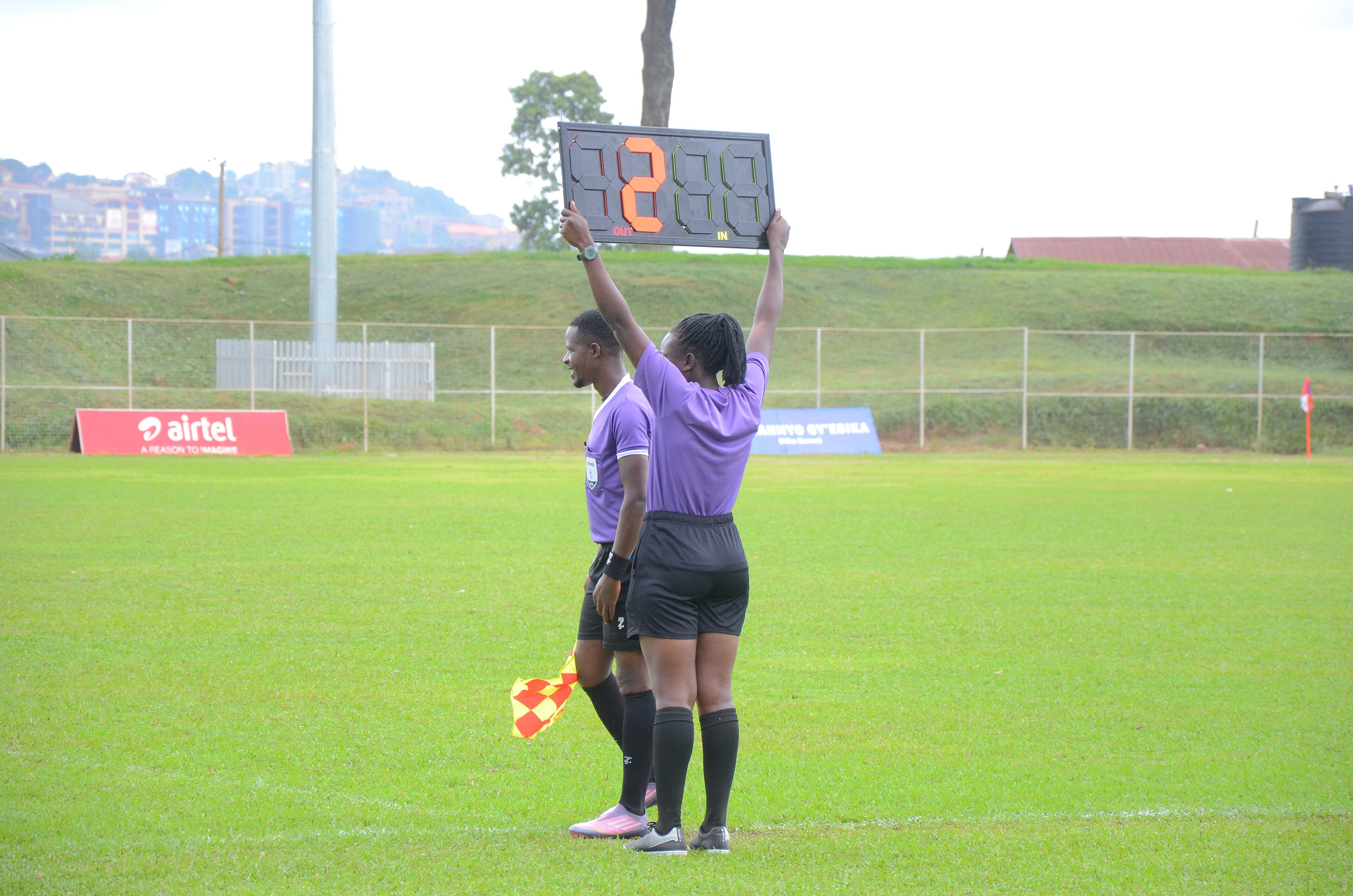

It does not count as one of the normal permitted substitutions or, where applicable, normal substitution opportunities. The rule builds that in, and does not treat the medical situation simply as another routine tactical change.
A team may make a concussion substitution immediately when concussion occurs or is suspected, after an on-field or off-field assessment, or later when it occurs or is suspected. The protocol includes a situation in which a player has already been assessed and returned to the field.
The team must inform the referee or fourth official when it decides to use a concussion substitution. The protocol suggests a different-coloured substitution card or form to make the distinction clear.
Concussion substitutions give opponents an option too
When one team uses a concussion substitute, its opponents have the option to use an additional substitute for any reason. They also receive an additional substitution opportunity for that substitute.
That opportunity is not a general licence to make another normal substitution. The protocol says a team can use it only for the additional substitute. If a team makes a normal substitution at the same time as its concussion substitution, that normal change still counts as one of its normal opportunities.
Those details help explain why a spectator’s substitution count can appear confusing. A count of players entering the pitch may combine normal changes with separate allowances.
The referee is not making the medical decision
The protocol says match officials, who have no say over concussion substitutions, are not part of the team’s decision about whether to replace the player, and must not decide whether an injury qualifies for a concussion substitute.
Officials should support appropriate assessment and treatment, and support a decision that an injured player cannot continue. They must also report concerns if the protocol appears to have been used inappropriately.
The law gives a framework for replacing a player. It is not a diagnosis, a promise that teams or officials will detect every concussion, or permission for a spectator to judge whether someone is safe to continue. Do not confuse understanding the rules on concussion substitutions with assessing the injury itself. For another example of officials working inside a strict protocol, see how VAR checks work.