
Healey to slash business rates for pubs, cafes and salons – and make online giants pay
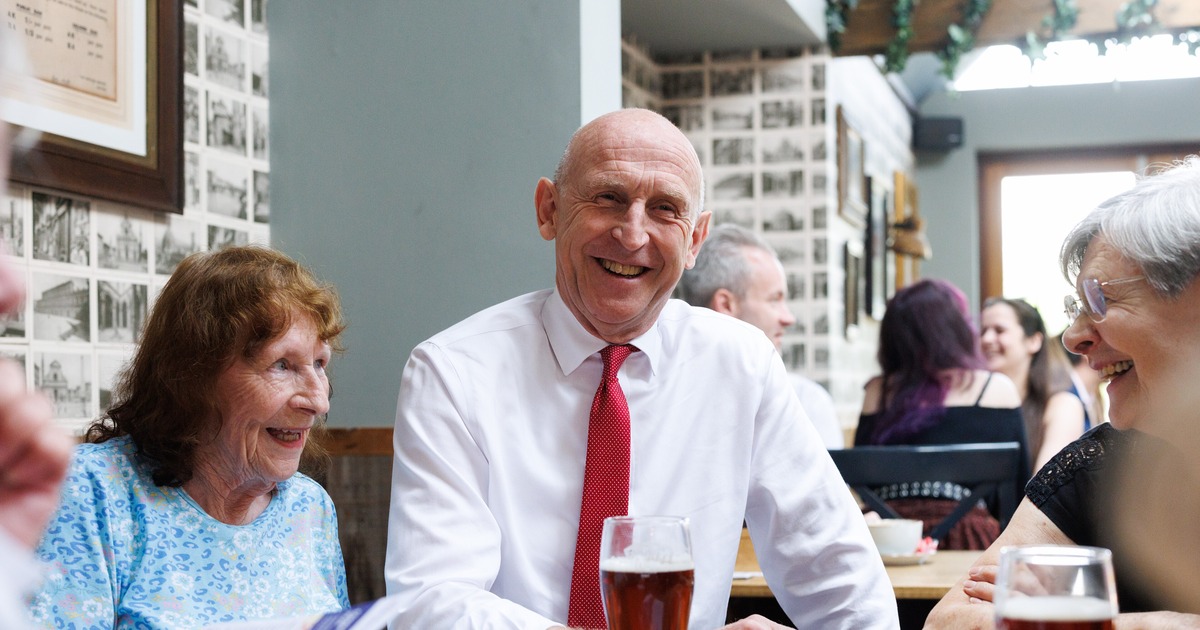
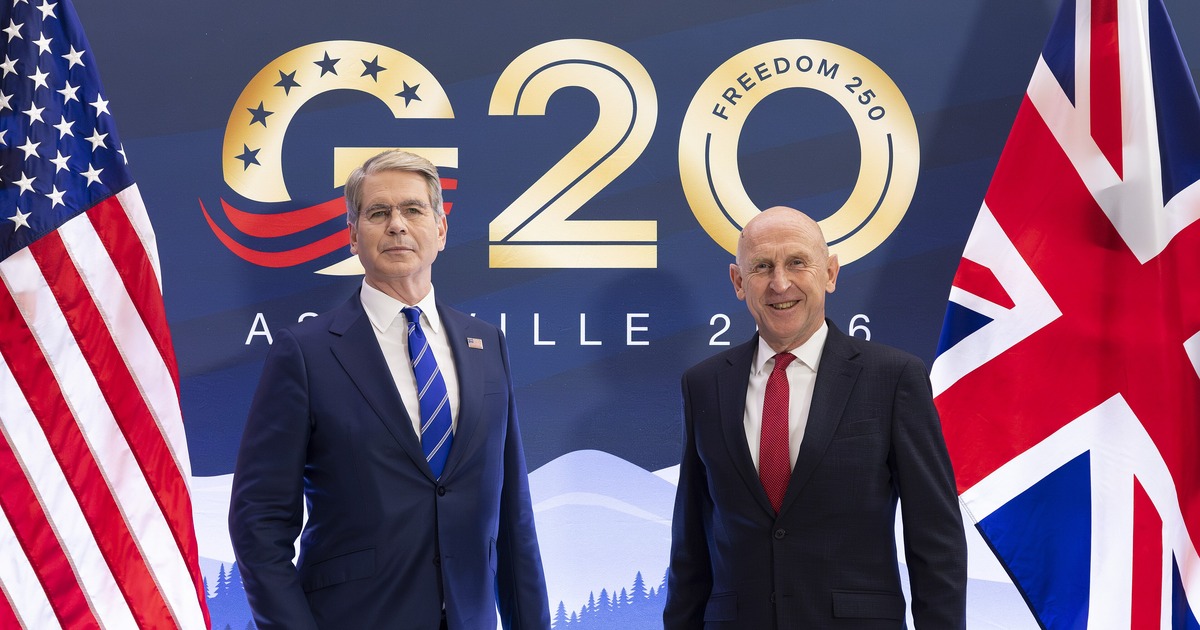
Business rates are about to fall for thousands of small high-street firms. LBC and The Times say John Healey will raise the business rates threshold from £12,000 to £18,000 in his 28 October Budget. LBC reports that the change should spare around 75,000 small properties. For example, pubs, cafes, hairdressers and village halls are among them.
The pledge itself is not new. Andy Burnham promised “breathing room” for pubs and small businesses over the summer. However, what is new is the signal that the Chancellor means to deliver it in his first Budget. Moreover, he plans to fund it by taxing online retail companies.

Who gains from the business rates change?
LBC reports that about 40,000 shops, more than 2,500 pubs, 2,000 salons and 1,600 cafes would benefit. Likewise, 1,600 village halls would benefit. First, the policy will reach England. Burnham has also floated lifting the threshold to £21,000 over time, LBC adds.
For a pub or salon on the margin, that could mean a real saving on a bill that arrives whatever the takings. Healey himself says he wants a Budget that gives Britain “a bit of breathing space”. He also wants the government’s fiscal plans to stay credible. Households feel the squeeze too, as our guide to the October energy price cap showed.
Who pays for the business rates cut?
Reports say higher taxes on online retail companies will replace the lost revenue. High-street traders have argued for years that the rates system punishes physical premises. Meanwhile, online rivals, they say, work from out-of-town warehouses. The government has clearly decided that argument is a political winner. However, nobody has confirmed the detail of the levy. How much it raises, and who exactly pays it, remain open questions.
Relief, or repair?
The caveat with any threshold rise is that relief is not the same as repair. A pub that no longer pays business rates still needs customers with money in their pockets. Likewise, a salon’s biggest problem may be energy bills or staffing rather than its valuation. Critics will also note that thresholds cut both ways. They help the smallest premises, but they do nothing for mid-sized venues that have already grown past them.
None of that will trouble the politics much. A Chancellor who stands up for the local pub against online giants is a picture any Treasury would happily frame. Whether the change can reverse a decade of decline on the high street is the harder question. The Budget will ultimately be judged on it, and so will the business rates change.